


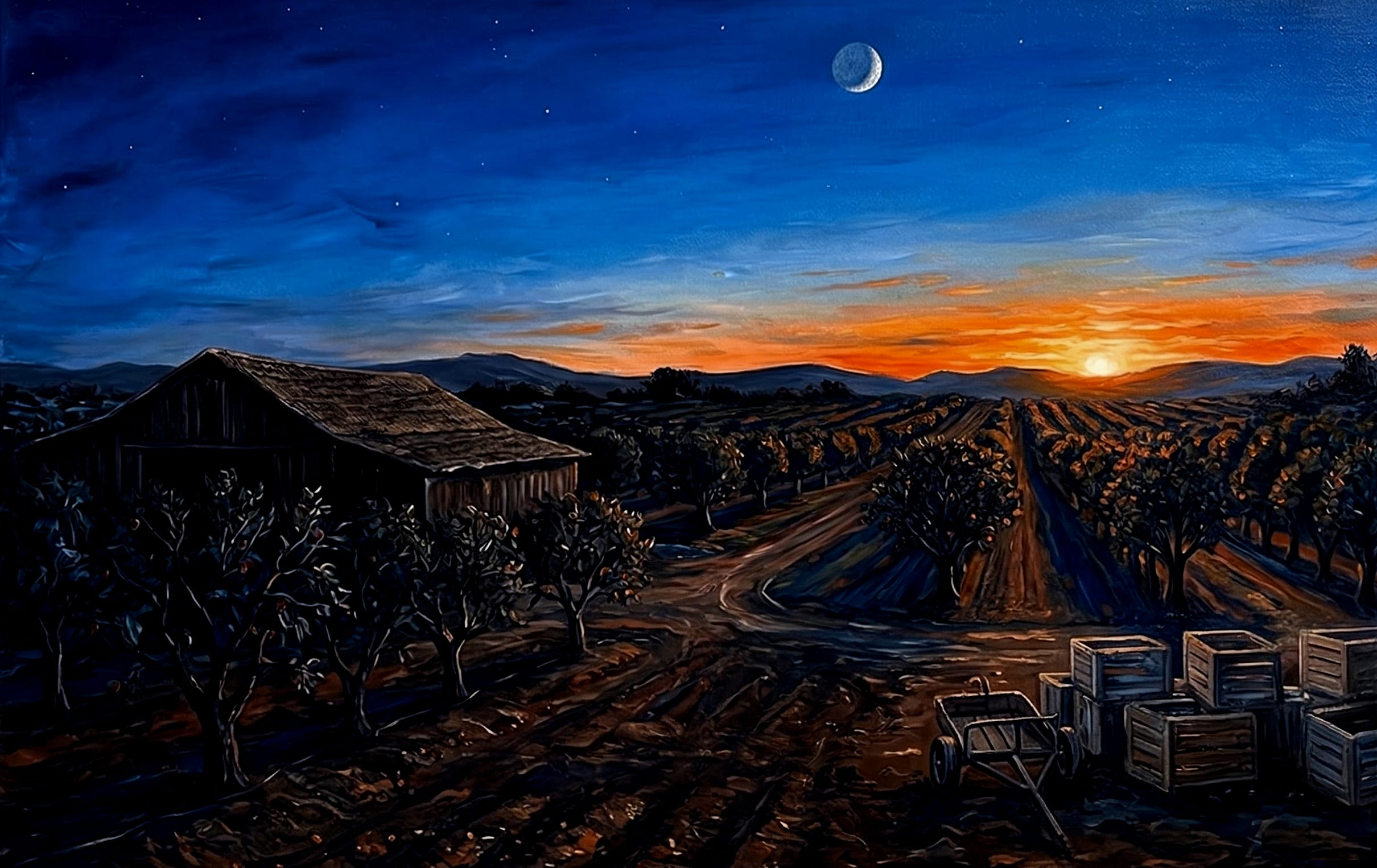
One mist-laced twilit morning, as Hasan rose to work in his orchard, a figure appeared at the edge of the trees. It was an old man. A wandering stranger. The young orphan said “peace be upon you” as the old man, returning his greeting, moved slowly towards him. He introduced himself as Ibrahim Qanduzi.
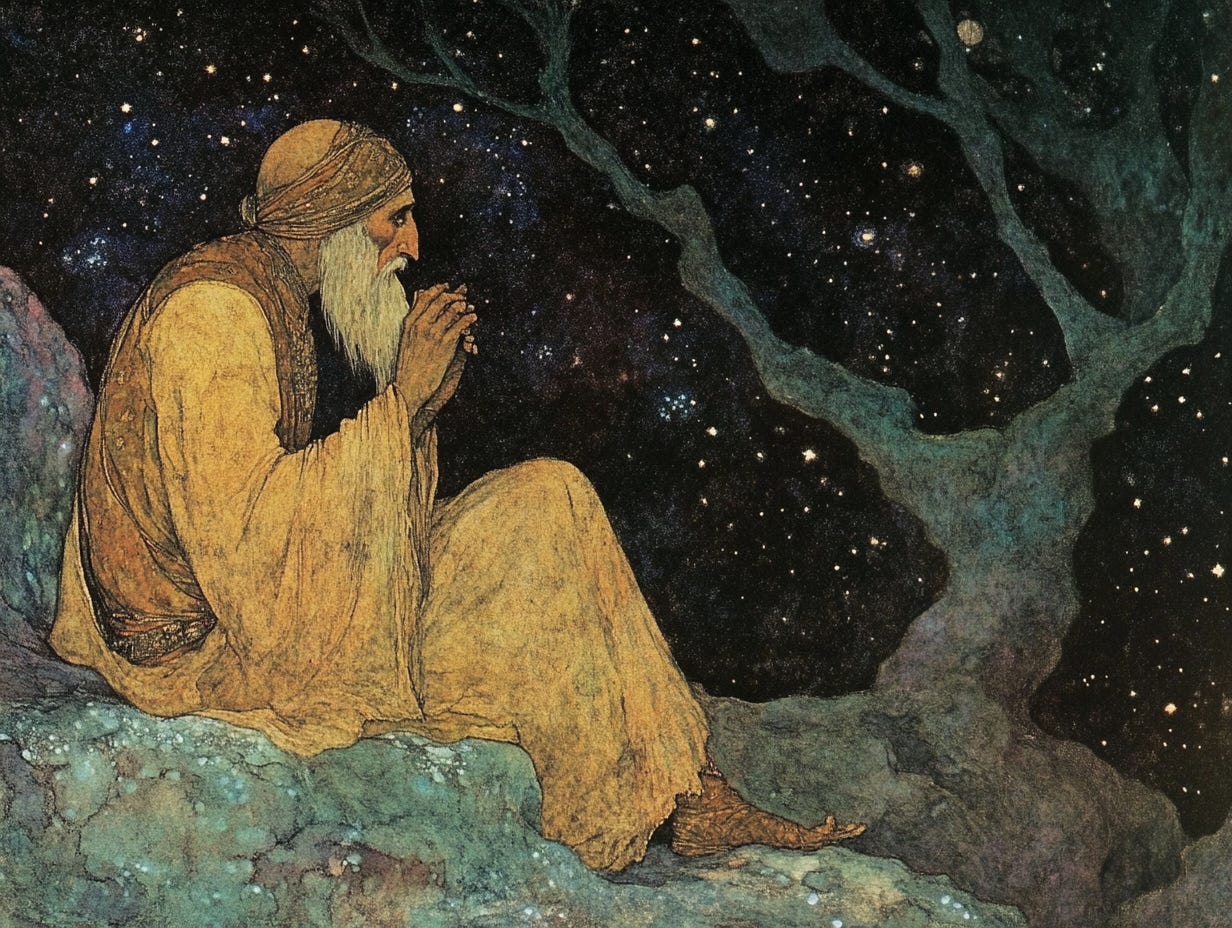
The boy approached the Shaykh, kissed his hand, and gestured towards a spot beneath a large fruit tree. Without a word, he gathered some of its finest fruits and presented them to his guest. The Shaykh accepted the offering with a gentle smile that seemed to light up his ancient face. He looked deeply into the boy’s eyes, discerning in him a soul polished by patient sorrow and ripe for Divine grace.
After eating the fruit, the shaykh reached into his simple cloth bag and pulled out a piece of dry bread. He broke off a piece and after chewing it held it out to Hasan. “Eat,” he said. Without hesitation, the boy took the morsel and consumed it. That very moment, the boy saw the world, as he knew it, change forever. It was as if a spark had fallen on his heart and what had once been dormant in him was now set aflame. The cyclic mundanity of his little world with the rustling leaves, the creaking windmill, and the chirping birds, all receded into a faint hum. The bread proved sacramental.
When this state subsided, and the world seemed familiar again, the shaykh was nowhere to be seen. But the boy knew the significance of his experience. He recognised that it was time to leave behind his little orchard. He sold all his possessions, donated the proceeds among the town’s destitute, paid his respects at the graves of his parents, and set forth on his journey in search of The True, The Good, The Beautiful…The One. Posterity would later recognise him as the great saint Khwaja Moinuddin Chishti.
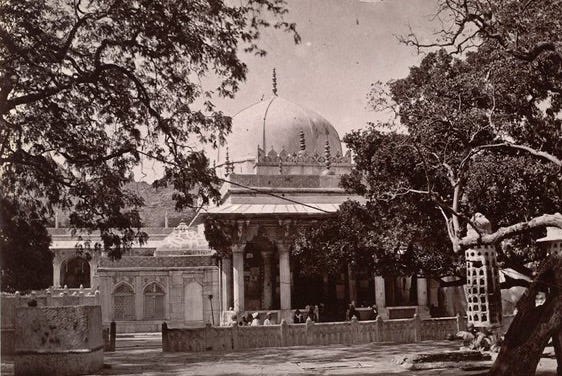
This tale carries within it the fragrance of a spiritual archetype, enigmatically emblemised by the figure of Ibrahim Qanduzi, that in our times is exceedingly rare and yet seminally needed. In this series of essays, Nomads: Freemen of the Liminal In-Between, we seek to elaborate on this.
Bibliography:
Amir Khurd Kirmani. Siyar ul-Awliya (سیر الاولیاء). 14th century.
Jamali, Sheikh Hamid bin Fazlullah. Siyar ul-Arifin (سیر العارفین). 16th century.